Unfortunately, neither strategy moves the needle for long.
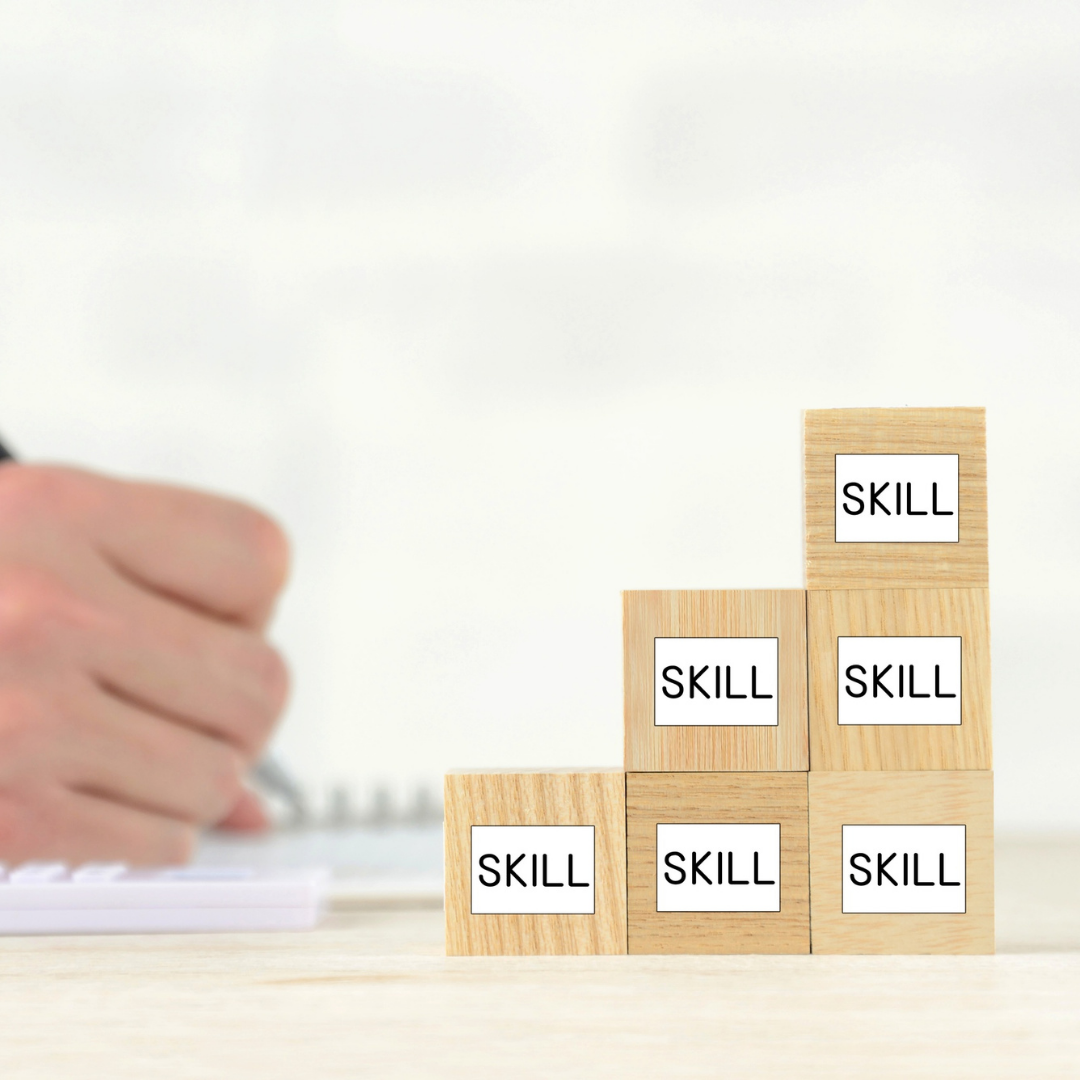
The smarter approach? Parallel progress.
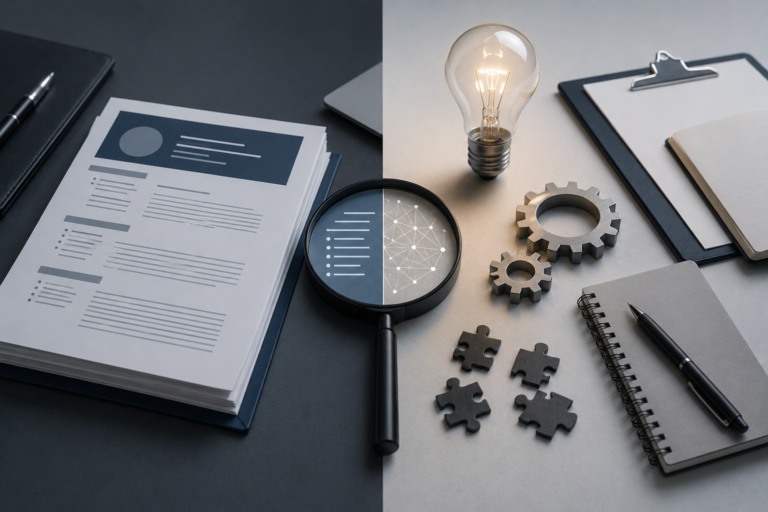
Job hunting and upskilling aren’t competing priorities — they’re complementary. The strongest candidates we place aren’t the ones who pause their search to study full-time, or those who blindly apply to hundreds of roles. They’re the ones who move forward on both fronts.
They apply selectively while sharpening one or two relevant skills at the same time.
Not endless courses.
Not random certifications.
Just targeted improvements that directly impact employability.
If you’re unsure where to focus, start with reflection:
- What questions keep coming up in interviews that I can’t answer confidently?
- What skills appear repeatedly in the roles I want?
- Where am I slightly behind the market?
Then act on that insight.
Often, it’s not about dramatic reinvention. Small upgrades can create a big shift — clearer stakeholder communication, stronger data literacy, or sharper commercial awareness can transform how you come across in interviews.
There’s also a powerful psychological advantage.
Progress builds confidence.
Confidence improves performance.
Performance wins offers.
You don’t need to stop your job search to become a stronger candidate. You just need to stop doing the same things and expecting different results.
The candidates who stand out aren’t waiting for the market to change — they’re evolving with it.
#JobSearchTips #Upskilling #CareerGrowth #RecruitmentInsights #JobSeekers #CareerAdvice #FutureOfWork #Employability #RecruitmentConsultancy #CareerDevelopment